How Vancouver’s Climate Affects Janitorial Cleaning (And Why It Matters More Than You Think)
Vancouver’s climate is not just a background detail. It directly shapes how buildings get dirty, how quickly wear and tear occurs, and how effective janitorial cleaning needs to be. Many businesses notice that their space never quite feels clean for long, even with regular service. In most cases, the issue is not effort or intent. It is climate.
Understanding how Vancouver’s weather affects cleaning helps facility managers set realistic expectations, choose the right service schedules, and prevent small issues from turning into costly problems.
A City Built Around Moisture Not Extremes
Unlike cities with long dry seasons or deep freezes, Vancouver experiences persistent moisture for much of the year. Rainfall is frequent, winters are mild, and humidity levels remain relatively high. From a cleaning perspective, this creates constant pressure rather than short seasonal spikes.
Moisture changes how dirt behaves. Dry dust is easy to remove. Wet soil, grit, and organic debris bond to surfaces more aggressively, spread faster, and linger longer. This is the underlying reason many Vancouver buildings struggle to stay clean even with regular janitorial service.
Moisture Tracking Is the Hidden Source of Most Cleaning Problems
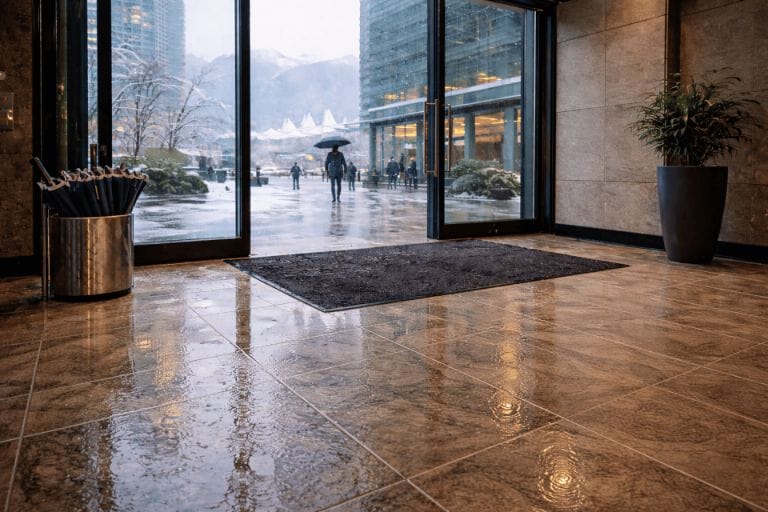
Rain rarely stays outside. Every wet shoe, umbrella, cart, and delivery brings moisture indoors. Over time, this leads to dirt embedding into carpets and entry mats, streaking and residue on hard floors, faster breakdown of floor finishes, and persistent damp smells near entrances.
In Vancouver, this is not limited to winter. It can happen throughout much of the year. Entryways and common areas become the primary stress points for janitorial crews. If these areas are not cleaned frequently enough, dirt spreads deeper into the building.
Mild Winters Can Be Harder on Floors Than Cold Ones
In colder cities, snow and salt often freeze and dry quickly. Vancouver’s temperatures usually hover just above freezing, which creates a different challenge. Moisture remains active.
Salt, grit, and water stay wet and abrasive. They grind into flooring rather than sitting on top, increase slip hazards, and accelerate damage to grout, vinyl, tile, and sealed concrete surfaces.
As a result, floor care in Vancouver is more preventative than reactive. Spot cleaning, mat maintenance, and routine inspections often matter more than occasional deep cleaning.
Humidity Affects Odours And Indoor Air Quality
Humidity also plays a major role in how a building smells and feels. Damp air slows drying times, especially in washrooms, carpets, and garbage areas. When moisture lingers, odours develop more quickly even when surfaces appear clean.
From a janitorial perspective, this requires more frequent washroom checks, timely garbage removal, proper disinfection rather than surface wiping alone, and attention to moisture prone areas.
Many air quality complaints are rooted in moisture retention rather than visible dirt.
Entryways And Common Areas Require Extra Attention
During rainy periods, the workload around entrances and shared spaces increases significantly. Main entrances, elevator lobbies, stairwells, and parking level access points often need repeated attention throughout the day.
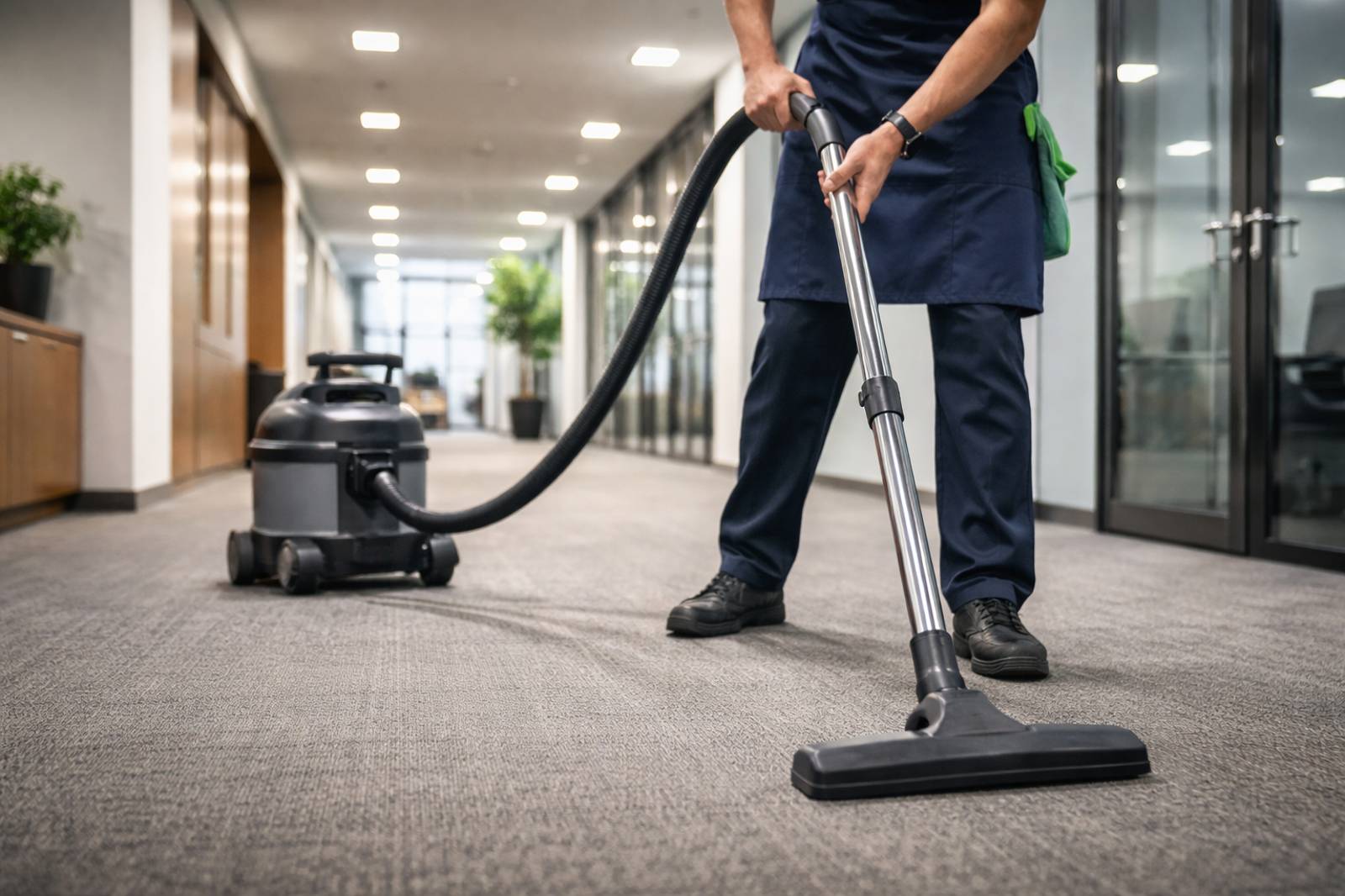
In larger buildings, daytime janitorial staff or day porters become especially valuable. Addressing moisture and debris early prevents it from spreading and reduces complaints before they start.
Why Proactive Cleaning Works Better In Vancouver
In a dry climate, it is often possible to wait until dirt becomes obvious. In Vancouver, waiting usually means the damage has already begun.
Proactive janitorial programs focus on early detection of stains and odours, preventing moisture related wear, and resolving small issues before they escalate. This approach helps extend the life of floors, finishes, and furnishings and reduces long term maintenance costs.
What This Means For Vancouver Businesses
Vancouver’s climate does not make buildings dirtier by default. It makes them harder to maintain without the right cleaning systems in place.
Businesses that understand this tend to schedule janitorial services more strategically, focus on prevention instead of reaction, experience fewer complaints and odour issues, and maintain a more consistent and professional environment.
Janitorial cleaning in Vancouver is shaped by rain, humidity, and mild temperatures that never fully reset a building the way deep cold or dry heat might. Recognizing how climate affects dirt, moisture, and wear allows businesses to make better decisions about cleaning frequency, scope, and expectations.
When janitorial services are aligned with Vancouver’s climate realities, cleanliness stops being a constant concern and becomes something you rarely have to think about at all.